What Newly Rehomed Dogs Really Need In The First Few Weeks
 It's All About The Dog
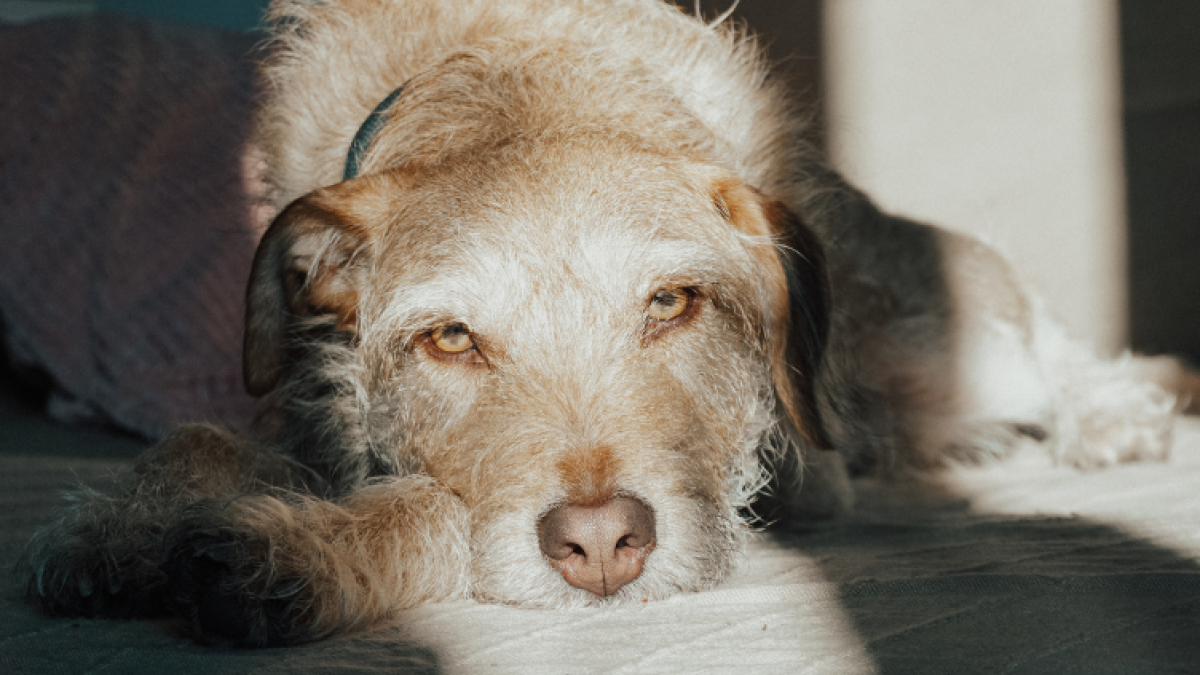
Why newly rehomed dogs often need time, observation and emotional safety before training, socialisation or big adventures.
What Newly Rehomed Dogs Really Need In The First Few Weeks
When a newly adopted dog arrives home, most humans immediately begin thinking about training.
Recall.
Lead walking.
Settling.
Confidence building.
Socialisation.
“Fixing” behaviours.
And of course, all of those things matter eventually.
But in those very early days and weeks, many newly rehomed dogs need something else first.
They need time to breathe.
Because from the dog’s perspective, their entire world has changed overnight.
New people.
New smells.
New sounds.
New rules.
New routines.
New expectations.
And often, very little understanding yet of what is safe, predictable or permanent.
Stress Doesn’t Always Look Dramatic
One of the biggest misconceptions about rescue or newly adopted dogs is that stress will always look obvious.
People often expect:
- barking
- lunging
- destruction
- panic
- visible fear
But many dogs show stress in much quieter ways.
Some become very still and withdrawn.
Some sleep constantly.
Some follow their humans everywhere.
Some avoid interaction altogether.
Others become busy, overexcited, mouthy or unable to settle.
Stress can look very different depending on the dog in front of us.
And unfortunately, quietness is often mistaken for “settled.”
In reality, many dogs are simply overwhelmed.
The Pressure We Accidentally Put On Dogs
Most overwhelm happens with the very best intentions.
Humans desperately want their new dog to feel loved, included and happy.
So naturally, we start introducing:
- long walks
- visitors
- cafés
- family members
- training classes
- socialisation
- adventures
- busy environments
Sometimes all within the first few days.
But before dogs can truly learn, they first need to feel safe enough to process the world around them.
That safety takes time.
Observation Before Expectation
One of the most valuable things we can do with a newly rehomed dog is simply slow down and observe.
Before we focus heavily on training, we should be learning about the dog in front of us.
What helps them relax?
What startles them?
What environments change their body language?
When do they seek interaction — and when do they seek distance?
What happens around food, handling, rest or visitors?
Dogs communicate constantly through behaviour and body language.
The more we observe, the more we begin to understand:
- what the dog finds difficult
- how they cope with stress
- what helps them feel safer
- where their confidence naturally grows
Building Safety First
This doesn’t mean doing “nothing” with a rescue dog.
It means prioritising:
- predictability
- calmness
- decompression
- gentle routine
- emotional safety
- connection without pressure
It means allowing dogs the space to gradually discover that this new life is safe, consistent and trustworthy.
Because often, the greatest progress happens not when we rush to teach dogs… but when we first take the time to truly understand them.
Every Dog Arrives With A Story
Many rescue dogs have experienced uncertainty, stress, frustration or environments we know very little about.
Some adapt quickly.
Some take much longer.
Some appear confident until weeks later, when they finally begin to fully decompress and their real emotions emerge.
There is no perfect timeline.
But patience, observation and understanding can make an enormous difference to how dogs adjust to their new world.
Sometimes the kindest thing we can give a newly rehomed dog isn’t more stimulation, more pressure or more expectations.
Sometimes it’s simply:
time, predictability and space to exhale 💛
Some newly rehomed dogs benefit from gentle, one-to-one support while they learn to navigate their new world. You can find out more about our private dog training sessions here: Private Dog Training Keighley | 1:1 Dog Behaviour & Training
Categories: : Rescue Dogs